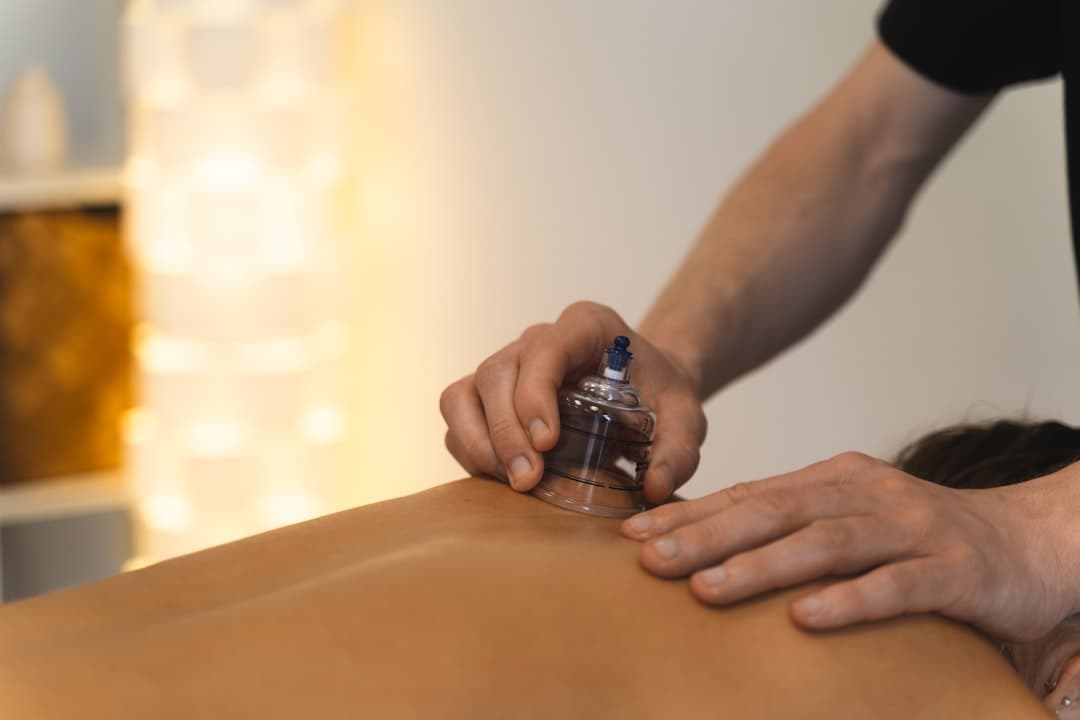
Bloodletting-assisted cupping is a traditional technique some people seek out when everyday tension won’t quit—especially the stubborn neck and shoulder tightness that can come from long hours at a computer. If you’ve heard about it from family, traveled to find a practitioner, or are simply curious about what it involves, this guide breaks it down in plain language.
You’ll learn what bloodletting-assisted cupping is, why someone might choose it for tight, stiff muscles, what a typical session can look like, and how to prepare—so you can make informed, comfortable decisions.
Disclaimer: This article is for informational purposes only and does not constitute professional advice.
What Is Bloodletting-Assisted Cupping?
Cupping therapy uses suction cups placed on the skin to create negative pressure. Many people associate cupping with the round marks that can appear afterward, but the core idea is the suction itself and how it affects the tissues underneath.
Bloodletting-assisted cupping (sometimes described as “wet cupping” in general conversation) adds a brief, localized bloodletting step before the cups are reapplied. In practice, it typically means:
-
Cups are placed to create suction on a targeted area.
-
A practitioner performs a small, localized bloodletting step.
-
Cups may be applied again over the same area.
People who request this approach often do so because they’ve tried it before and felt it helped them, or because they’re looking for a more intensive version of cupping for a specific problem area.
Why People Seek It for Neck and Shoulder Tightness
Neck and shoulder tension is extremely common in modern life. Long days at a desk, repetitive mouse use, and sustained forward-head posture can contribute to:
-
A “locked up” feeling across the upper trapezius (tops of the shoulders)
-
Stiffness when turning the head
-
A sensation of heaviness or fatigue in the neck and upper back
Some individuals pursue bloodletting-assisted cupping because they believe it helps with what traditional frameworks may describe as stagnation or stasis in localized tissues. Others simply report that it feels like a fast “reset” when muscles are chronically tight.
A real-world example (typical scenario)
Consider a middle-aged office worker who spends long hours at a computer and has persistent neck/shoulder stiffness. After benefiting from bloodletting-assisted cupping years earlier, he searches specifically for a practitioner who offers it (since it isn’t always widely available). Following a session that combines cupping, localized bloodletting, and re-cupping, he notices immediate relaxation and a clearer sense of release in the tight areas.
Experiences vary, but this is the kind of outcome many people hope for when they request this technique.
What a Session May Look Like (Step-by-Step)
Exact methods differ by practitioner and local regulations, but a bloodletting-assisted cupping appointment often follows a structure similar to the one below.
1) Intake and goal-setting
A practitioner typically asks about:
-
Where you feel tightness (and how long it’s been present)
-
Your daily activities (e.g., computer work, lifting, driving)
-
Past experience with cupping or acupuncture
-
Sensitivities, medications, or health considerations
Tip: Bring a clear description of your symptoms. For example: “Tight across the tops of my shoulders, worse after 6+ hours at a computer, stiff turning to the left.”
2) Initial cupping
Cups are placed on specific areas—often the upper back, shoulders, or neck region—to create suction. You may feel:
-
Pulling or pressure
-
Warmth
-
A spreading sensation
3) Localized bloodletting
If bloodletting-assisted cupping is part of the plan, the practitioner performs a brief, localized step before reapplying cups. Because this is more involved than standard cupping, it’s reasonable to ask:
-
What exactly will you do?
-
How do you maintain hygiene and safety?
-
What should I expect to feel?
-
How should I care for the area afterward?
4) Reapplication of cups
Cups may be placed again to continue suction on the treated area. Some people describe this phase as the moment they feel the most “release,” while others simply notice a gradual softening.
5) Aftercare guidance
You may be given basic instructions such as:
-
Keep the area clean and dry for a period of time
-
Avoid strenuous activity immediately afterward
-
Pay attention to how your body feels over the next day or two
What It Feels Like and What You Might Notice Afterward
People’s experiences vary, but common reports include:
-
A sense of looseness or relaxation in the upper back and shoulders
-
Reduced feeling of “tight bands” in the muscles
-
Temporary soreness similar to post-massage tenderness
-
Visible marks where cups were placed
Because bloodletting-assisted cupping is more intensive than standard cupping, it’s especially important to follow aftercare instructions and to contact a qualified professional if anything feels unusual.
Who Might Consider It—and Who Should Be Cautious
Bloodletting-assisted cupping is usually sought by people who:
-
Have tried regular cupping or acupuncture and want a different approach
-
Feel persistent, localized tightness that doesn’t respond well to stretching alone
-
Prefer traditional techniques and hands-on therapies
However, caution is appropriate for anyone with factors that could affect healing or bleeding risk. If any of the following apply, it’s smart to discuss them before booking:
-
Bleeding disorders or a history of easy bruising/bleeding
-
Use of blood-thinning medications (or anything that affects clotting)
-
Skin infections, open wounds, or irritated skin in the area
-
Any medical condition where minor bleeding could pose added risk
When in doubt, consult a licensed healthcare professional and a qualified practitioner before proceeding.
How to Choose a Practitioner (Quick Checklist)
Because this technique isn’t offered everywhere, you may need to do a bit more screening than you would for standard cupping.
Use this checklist to guide your search:
-
Training and credentials: Are they appropriately trained and licensed for their scope of practice?
-
Experience: How often do they perform bloodletting-assisted cupping?
-
Clean technique: Do they clearly explain hygiene practices and aftercare?
-
Communication: Do they answer questions without rushing or pressuring you?
-
Personal fit: Do you feel comfortable with their approach and explanations?
Questions to ask when you call or book
-
“Do you offer bloodletting-assisted cupping specifically?”
-
“What conditions do people usually come in for?”
-
“What should I do to prepare for the appointment?”
-
“What aftercare do you recommend?”
Simple Ways to Support Results Between Visits
If your tension is driven by long hours at a computer, you’ll often get the best long-term improvement by pairing bodywork with small daily habits.
Try these practical steps:
-
Micro-breaks: Stand up or change position every 30–60 minutes.
-
Screen setup: Keep the monitor at eye level to reduce forward-head posture.
-
Shoulder reset: Twice a day, gently roll shoulders back and down for 30 seconds.
-
Hydration and rest: Many people feel better overall when they’re well-rested and hydrated.
These aren’t a replacement for care, but they can help reduce the cycle of “treat it—then immediately re-tighten.”
Call to Action: Take the Next Step With Confidence
If chronic neck and shoulder tightness is affecting your comfort or focus—and you’re curious about bloodletting-assisted cupping—start by speaking with a qualified practitioner. Ask questions, understand the process, and make sure you’re comfortable with the plan and aftercare.
If you’re ready, schedule a consultation to discuss whether bloodletting-assisted cupping may be appropriate for your goals and how to support lasting relief with simple daily changes.
SEO Meta Title: Bloodletting-Assisted Cupping: What to Know Meta Description: Learn what bloodletting-assisted cupping is, what a session involves, who should be cautious, and tips for neck and shoulder tightness relief.
About Staffs
Experienced professional sharing practical insights and best practices to help customers make informed decisions.
Learn More About Our Team