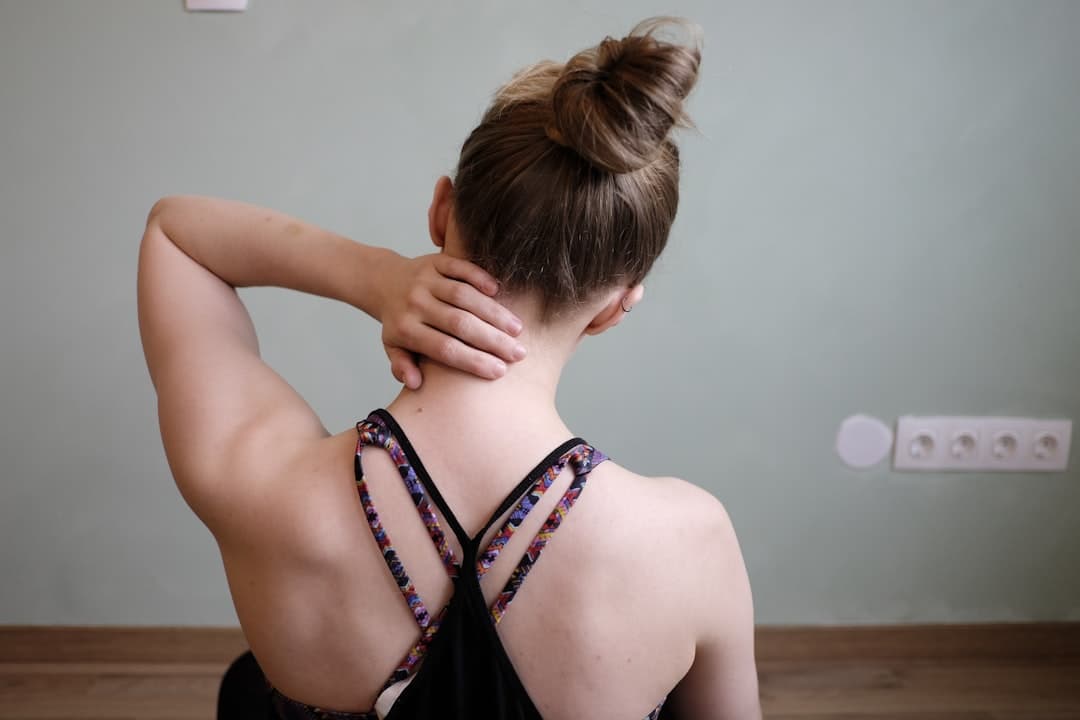
Whole-Body Persistent Pain After Major Surgery: Can Chinese Medicine Help It Fade?
Major surgery is supposed to be the “fix.” Yet many people find that when the incision heals, the pain doesn’t fully leave. Some feel it at the surgical site. Others describe something broader—tightness, burning, aching, or deep fatigue that seems to spread through the whole body. If that’s you, you’re not alone—and you’re not “making it up.”
This guide explains why persistent post-surgical pain can linger, how Chinese medicine approaches recovery, and what research suggests about acupuncture for chronic post-surgical pain. You’ll also learn practical, safety-first steps for deciding whether acupuncture and herbal support could be a good fit for your healing plan.
Why pain can persist long after surgery
Pain that continues for months after surgery is often called chronic post-surgical pain. It can show up after orthopedic procedures, C-sections, abdominal surgery, cancer-related surgery, and more. The experience varies, but common drivers include:
-
Nerve irritation or sensitization: Nerves can be stretched, compressed, or inflamed during surgery. Sometimes they become “overprotective,” sending pain signals long after tissues have repaired.
-
Inflammation and scar restrictions: Scar tissue can limit glide between layers of muscle and fascia, creating pulling sensations or referred pain.
-
Muscle guarding and altered movement: When you protect an area, your posture and gait change. Over time, other joints and muscles may start hurting.
-
Stress response and sleep disruption: Ongoing pain can keep the nervous system on high alert, making pain feel louder and more widespread.
If you’re experiencing new weakness, fever, redness, drainage, shortness of breath, chest pain, or sudden swelling—seek urgent medical care. For persistent pain without red flags, many people benefit from a layered approach: medical evaluation, movement-based rehab, and supportive therapies that calm pain pathways.
A Chinese medicine view: “whole-body” recovery, not just the incision
Traditional Chinese Medicine (TCM) looks at post-surgical recovery through patterns that can include:
-
Qi and blood stagnation (often linked with sharp, fixed pain and sensitivity around scars)
-
Deficiency and depletion (fatigue, poor sleep, low resilience, slow recovery)
-
Imbalance in the nervous system response (feeling “wired and tired,” tension, headaches, digestive changes)
In practice, this means treatment is not only about the surgical site. A practitioner may address the whole system—sleep, digestion, stress, circulation, and mobility—because these factors influence how the body processes pain signals.
What research suggests about acupuncture for chronic post-surgical pain
Research suggests acupuncture may help chronic post-surgical pain by influencing pain modulation in the nervous system, reducing muscle tension, and supporting relaxation and sleep—key pieces of long-term recovery. Outcomes can vary by person, surgery type, and how long symptoms have been present.
What many patients find appealing is that acupuncture can be used alongside conventional care. It doesn’t require stopping physical therapy, medications, or follow-up appointments. Instead, it can function as a supportive layer—especially when pain has become persistent and diffuse.
Important note: Acupuncture is not a replacement for evaluation of surgical complications or new symptoms. Think of it as part of an integrative plan once your surgeon has cleared you for recovery care.
Where Chinese herbs may fit (and where they shouldn’t)
People often ask about an herbal option for pain after surgery. In Chinese medicine, herbs are typically selected based on your pattern and stage of recovery—not simply “pain = this formula.”
A trained practitioner may consider herbs to support:
-
Circulation and comfort (especially when stiffness and “stuck” sensations dominate)
-
Sleep and nervous system settling
-
Digestive support (important when appetite is low or medications upset the stomach)
-
Overall vitality during rehab
Safety first: herb interactions matter
Herbs can interact with medications, especially blood thinners, anti-platelet drugs, and some pain medications. If you’re considering an herb plan:
-
Bring a list of all medications and supplements
-
Mention any history of blood clots, bleeding issues, or liver/kidney disease
-
Ask for coordination with your medical team when appropriate
What a smart, realistic treatment plan looks like
A good plan sets expectations and measures progress. Here’s a practical framework many clinics use:
1) Start with a clear baseline
Track your symptoms for 7 days:
-
Pain intensity (0–10)
-
Location(s) and quality (burning, aching, stabbing, tight)
-
Triggers (walking, sitting, stress, weather, certain movements)
-
Sleep quality and energy
2) Begin with a short “trial course”
Many people start with 1–2 sessions per week for 3–6 weeks, then reassess. The goal is not instant perfection—it’s measurable change, such as:
-
Fewer flare-ups
-
Better sleep
-
Increased range of motion
-
Less reliance on heat/ice or rescue pain strategies
-
Improved mood and daily function
3) Combine with movement and scar-friendly care
Acupuncture can pair well with:
-
Physical therapy or gentle strength work
-
Breathwork and walking routines
-
Scar mobilization (only when cleared by your surgeon/clinician)
-
Stress reduction strategies that calm the nervous system
Pros and cons: deciding if acupuncture is right for you
| Consideration | Acupuncture may be a good fit if… | You may want to wait or get clearance if… |
|---|---|---|
| Pain pattern | Pain is persistent, widespread, or linked to tension/sleep issues | Pain is rapidly worsening or accompanied by fever/redness/drainage |
| Recovery stage | You’re medically stable and cleared for rehab | You’re immediately post-op and unsure about restrictions |
| Medications | You want non-drug support alongside your current plan | You’re changing meds frequently and symptoms are unstable |
| Preferences | You value a whole-body approach and consistent follow-up | You can’t commit to a short series of visits to evaluate response |
A local option in Flushing, NY: integrative support that’s personalized
If you’re in Queens and looking for a grounded, professional approach to post-surgical pain, Natural Life Acupuncture and Wellness 自然堂中医诊所 in Flushing, New York offers acupuncture and Chinese medicine care designed around your specific symptoms, surgery history, and recovery goals.
A thoughtful first visit should include:
-
A detailed intake (surgery timeline, current symptoms, meds/supplements)
-
A plan that explains frequency, milestones, and what “progress” looks like
-
Safety screening for herbs and post-op considerations
Conclusion: persistent pain doesn’t have to be your “new normal”
Whole-body pain after major surgery can be frustrating and exhausting—especially when you expected to be “done” healing. The encouraging news is that persistent post-surgical pain is often responsive to a multi-layer plan. Research suggests acupuncture may help chronic post-surgical pain, and Chinese medicine may offer additional support through individualized care and, when appropriate, carefully selected herb strategies.
If you’re in Flushing, working with a licensed acupuncturist experienced in post-surgical recovery may help you build a personalized plan tailored to your symptoms and recovery stage.
You can learn more or schedule a consultation at Natural Life Acupuncture and Wellness 自然堂中医诊所 by visiting https://acupunctureflushing.com/ or calling 917-385-1605.
About Staffs
Experienced professional sharing practical insights and best practices to help customers make informed decisions.
Learn More About Our Team